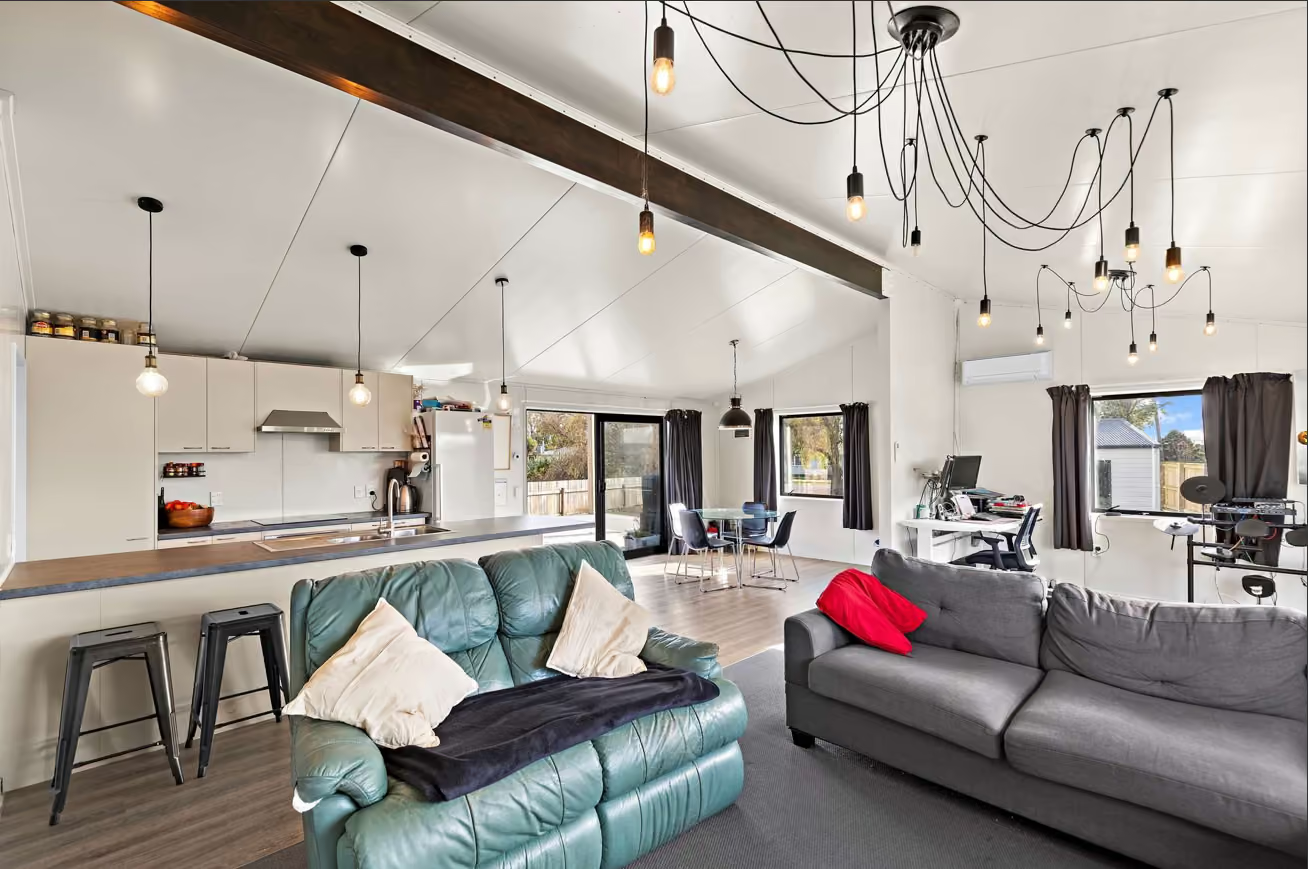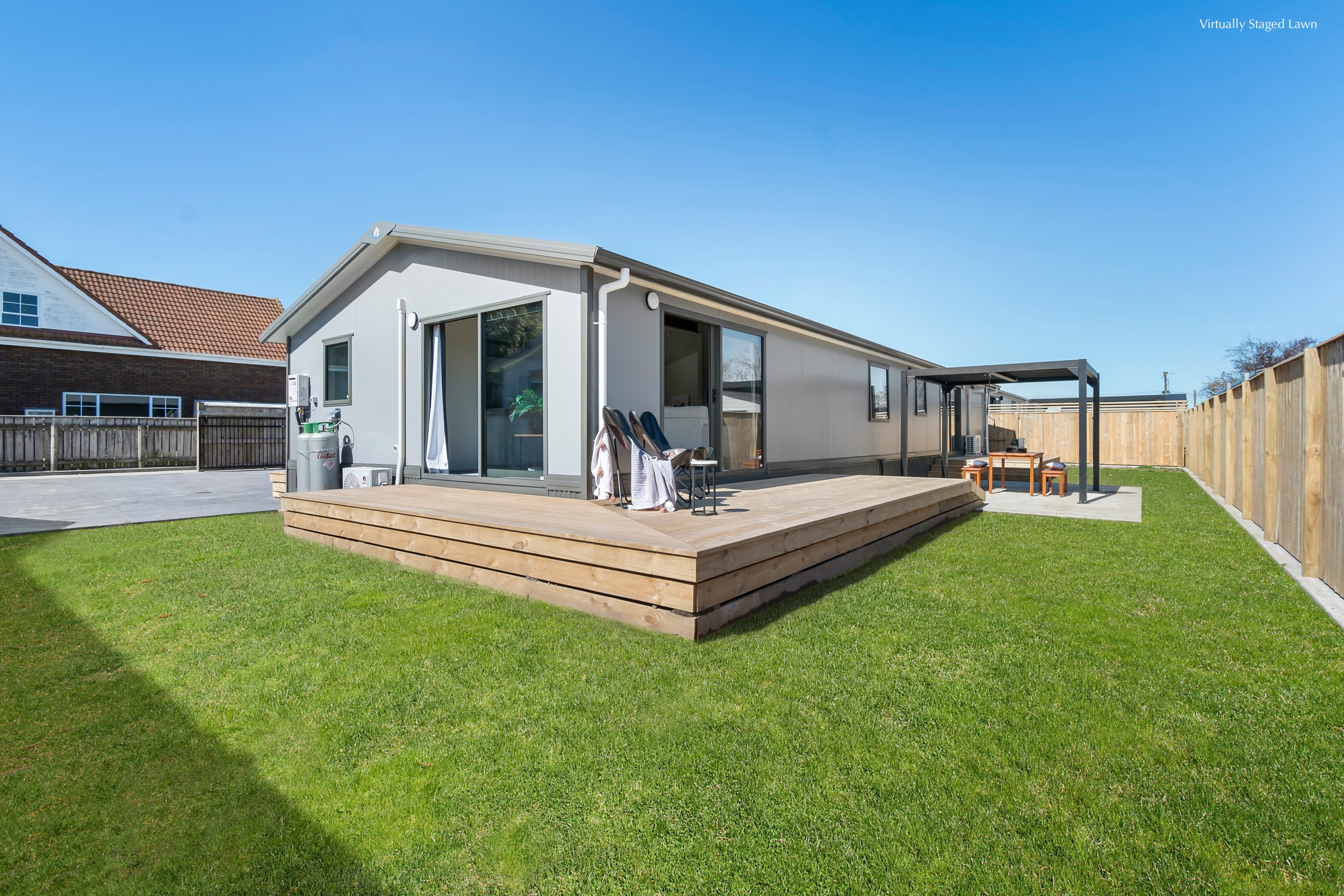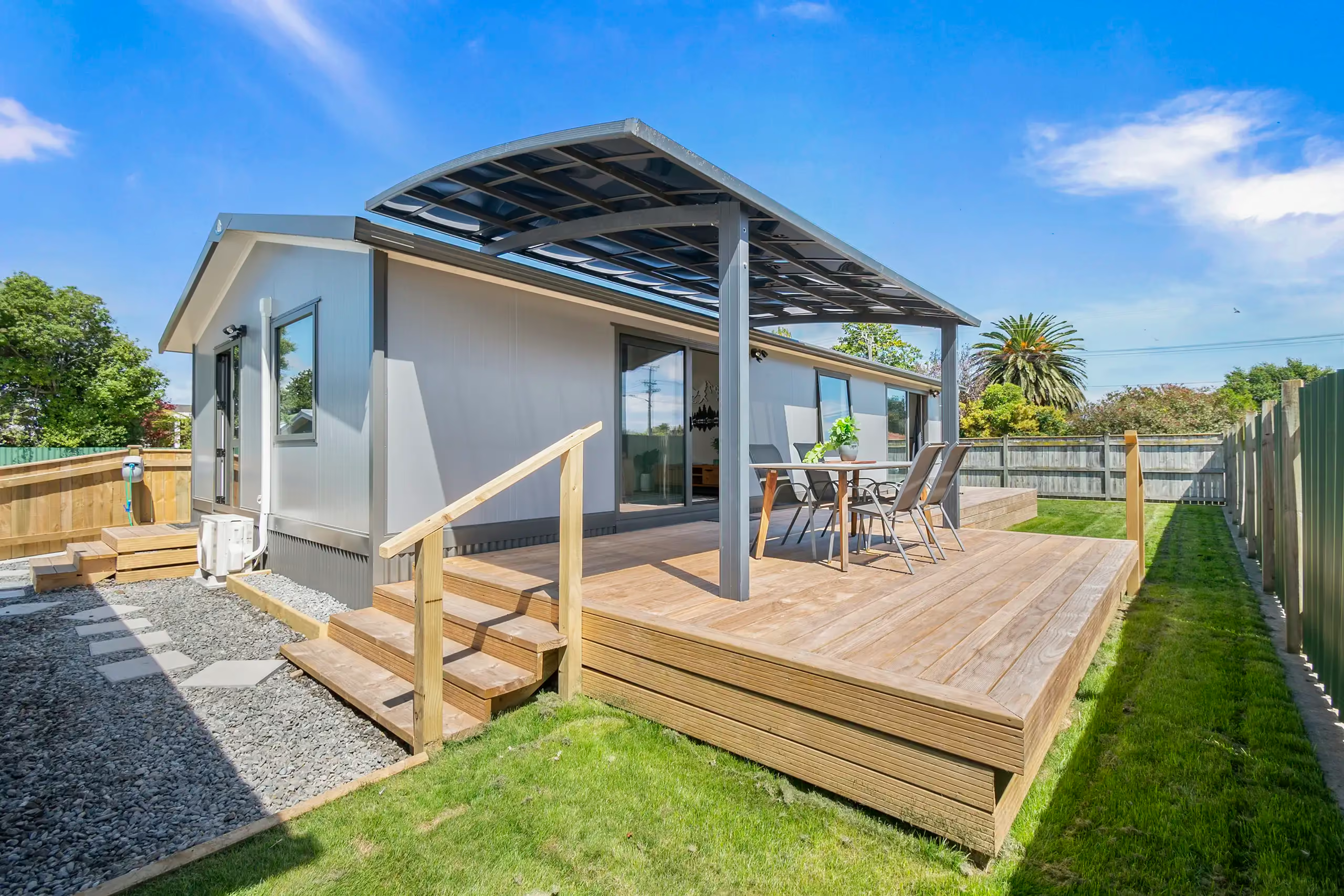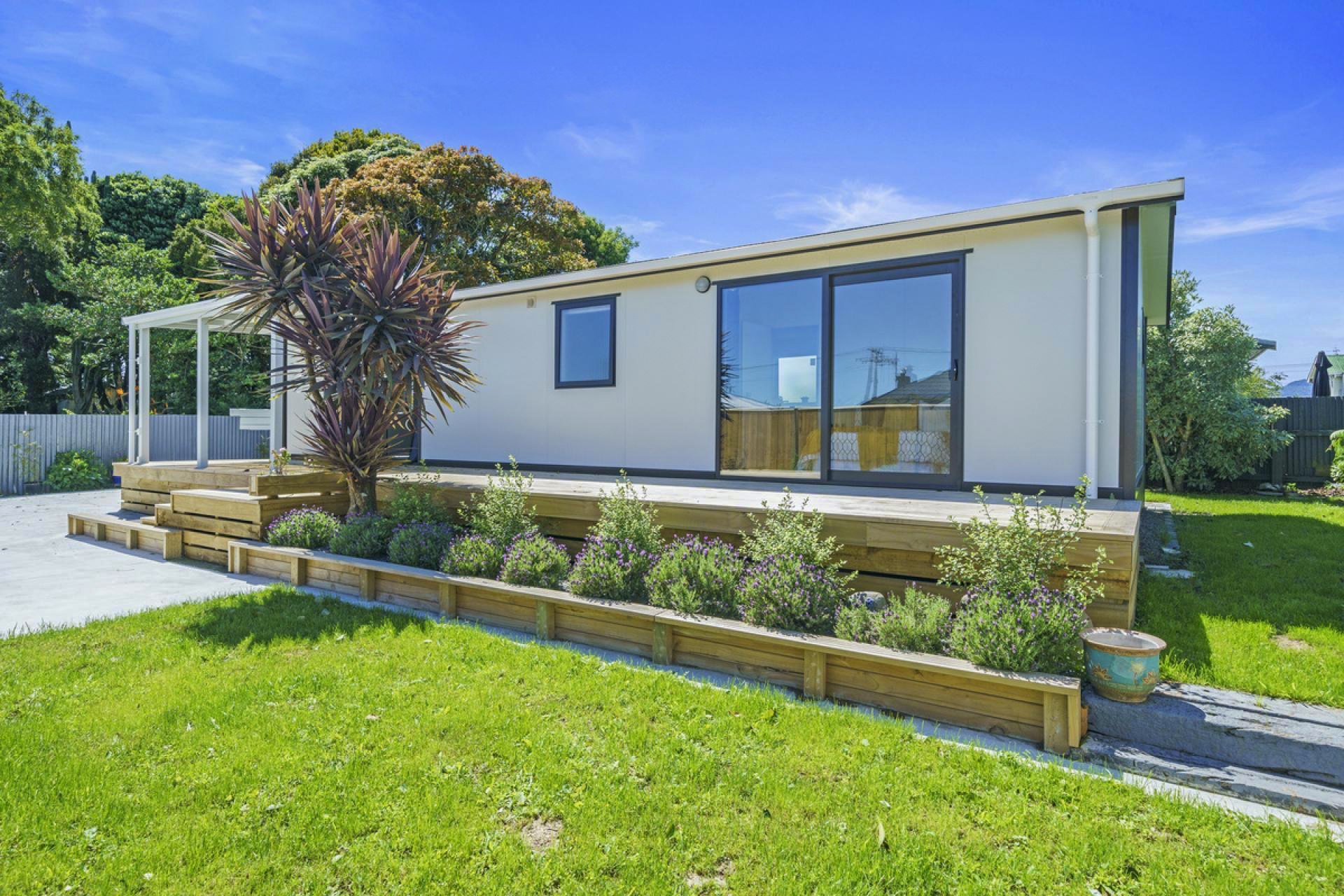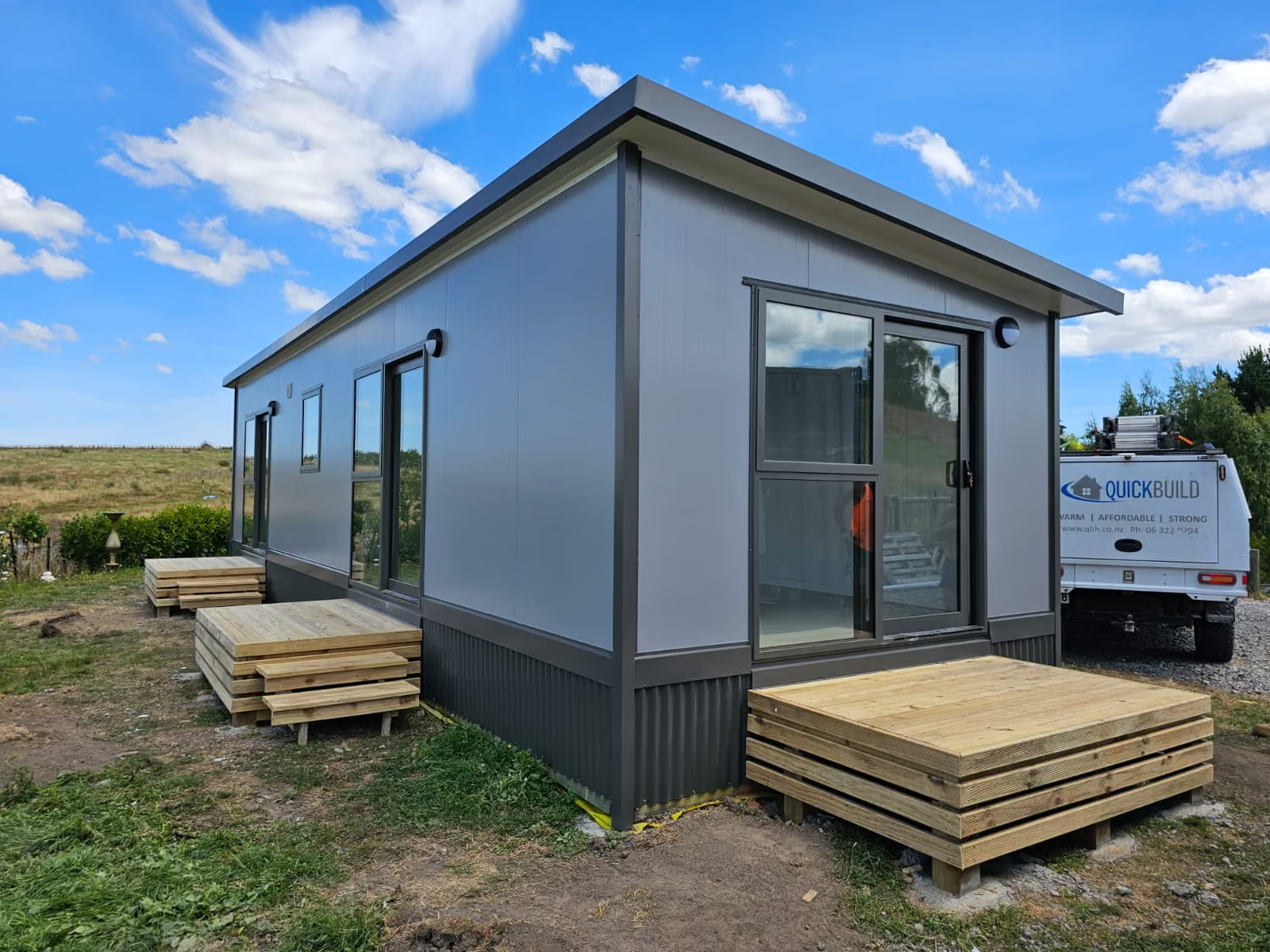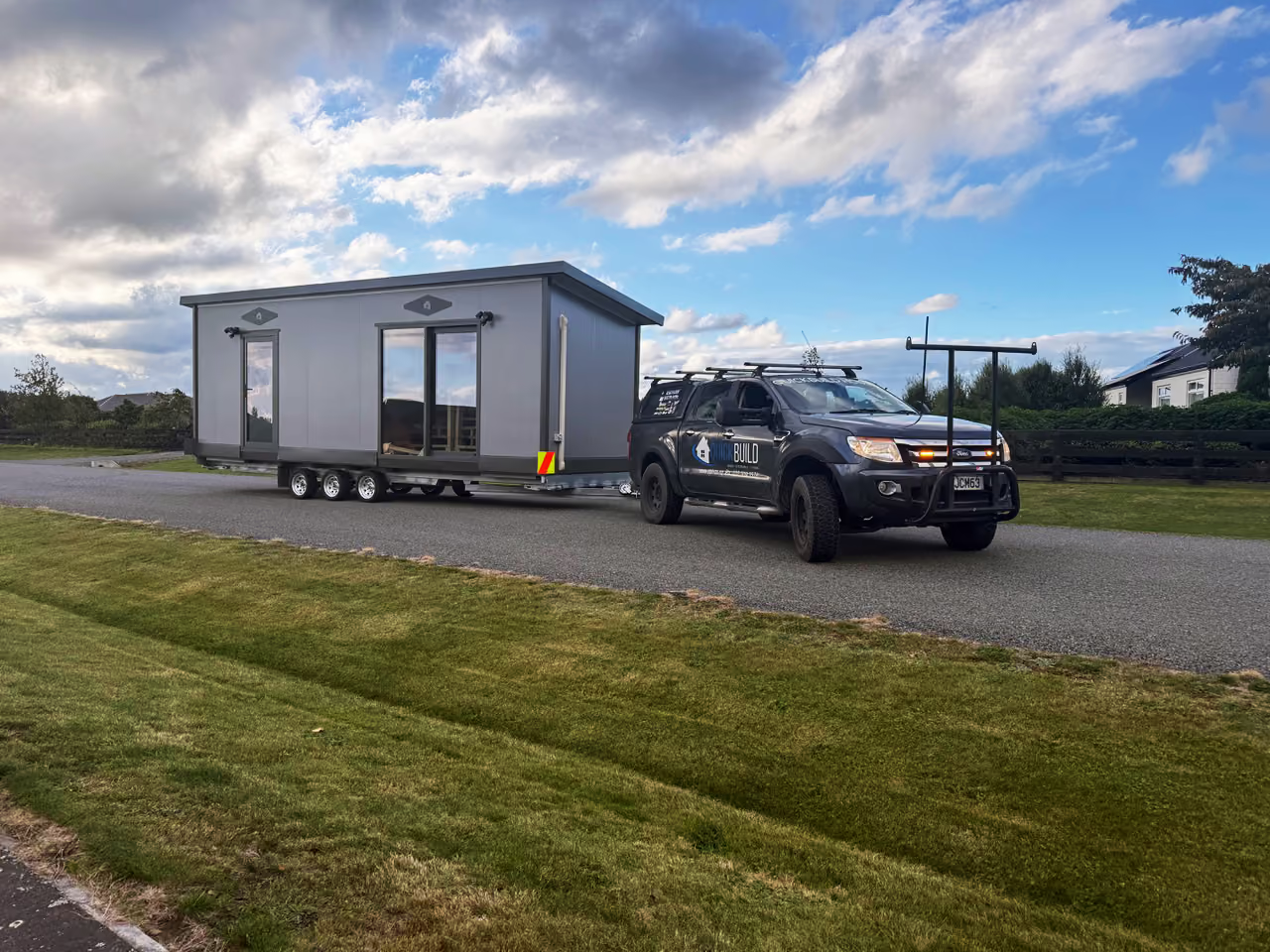

Yes, that's right - you can build your own home. And no, you don't need to complete a four-year building apprenticeship to become a licensed builder to do so.
Under the Owner-Builder Exemption, you're allowed to continue New Zealand's proud DIY building tradition.
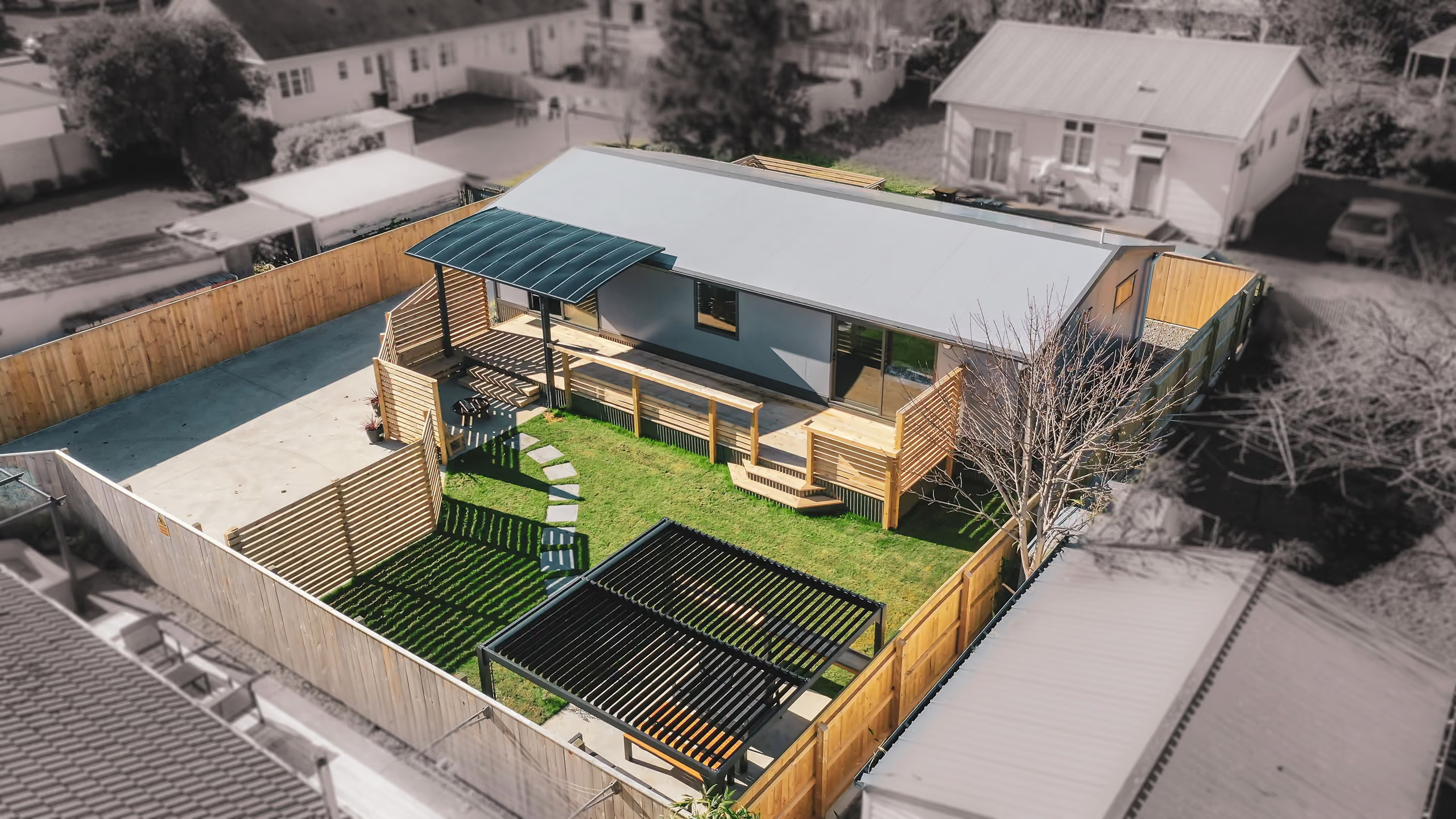
Why not? Imagine being able to tell your friends and family you have built the home they are standing in with your own two hands! Literally! You haven’t just stood there ‘supervising’ as the builders do the work, you have built the kitchen they’re sitting in. You have put the roof over their heads. You have put that door in. You have laid the foundations for your home. Nothing can beat that sense of accomplishment!
Under the Owner-Builder Exemption you can also save the cost of hiring a licensed builder to do the work. For heavy lifting parts, just grab your mates for the weekend and pay them back with… a sense of accomplishment! Its much more cost effective… maybe.
While the process may take longer than hiring professionals, many previous owner-builders find the long-term savings and personal satisfaction well worth the effort.
At QBH, we're here to help you throughout the process. We provide a comprehensive step-by-step assembly manual with every kitset home - much like the instruction manual that came with your favourite Lego set as a kid! (Before you lost it)
And if you ever get stuck, we're only a phone call away. We can often provide helpful tips and practical advice to make the process smoother, faster, and more cost-effective.
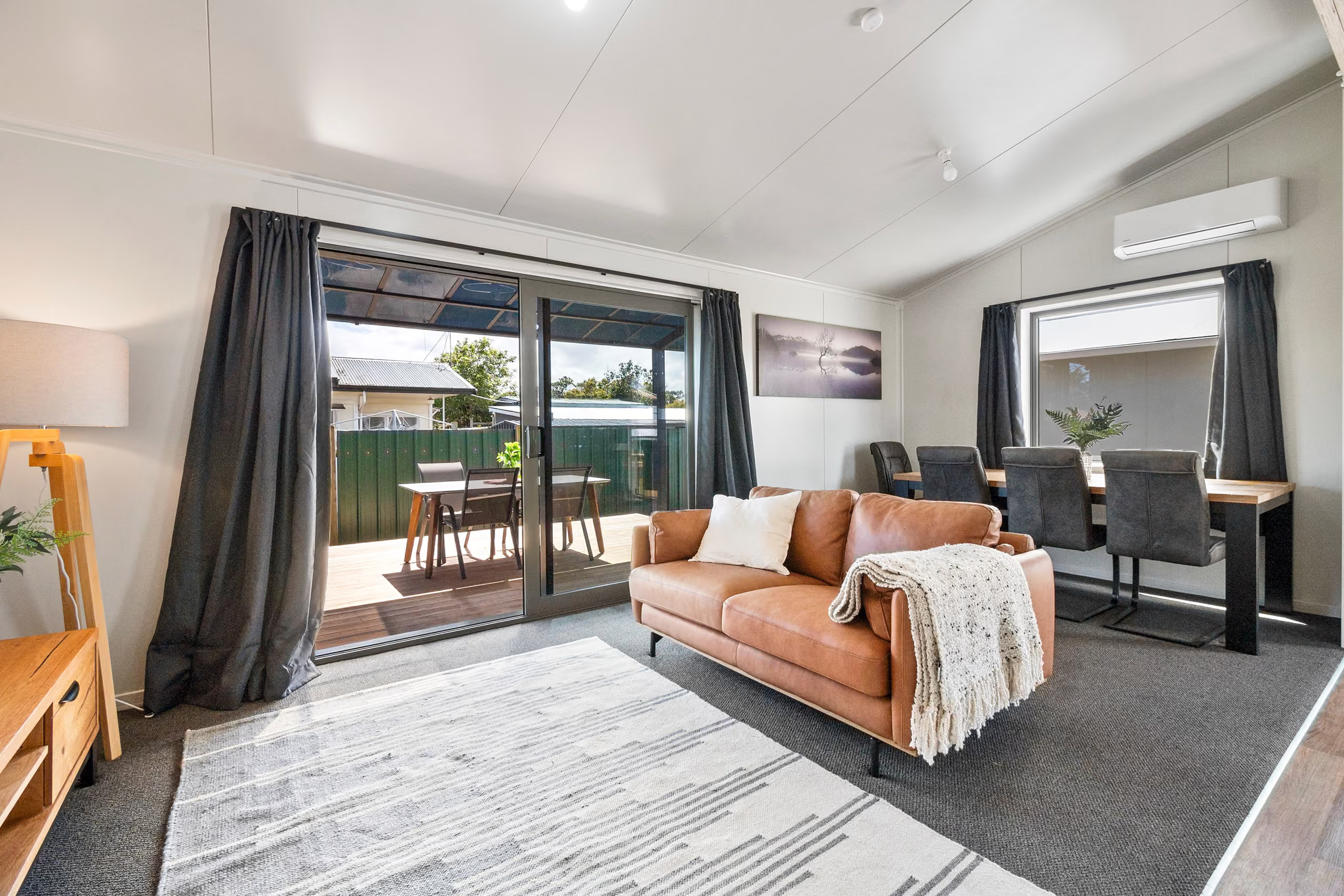
Our homes are specifically designed to be built by kiwi owner-builders.
You don't need specialised construction skills. You don't need to know how to plaster walls, stop gib, or achieve perfectly smooth finishes. You certainly don't need years of trade experience.
You just need to take your time and read the instructions carefully, follow the process and ask us if you have any questions. It also helps to have a few mates nearby or on the weekends who are happy to lend a hand, especially for the parts that require heavy lifting.
Nothing compares to the sense of accomplishment that will come from standing back at the end of a hard day's work and seeing your own home taking shape with your own two hands. Within the first 3-5 days the foundations will be in and the floor down. In the next 3-4 days you will have all the walls up, both internal and external and be ready to put the windows in. The following 2 days you will be prepping for and putting the roof on. And on the day after that, you can complete the ridge and barges, seal of the exterior of your house. It will then be weather tight and secure. Its that easy!
The basic rules of the exemption are that you:
You can apply for the exemption when submitting your building consent application. Simply complete the 'Owner-Builder Statutory Declaration' form and submit it with your application.
Any building work completed under this exemption will be recorded as owner-built work on your Land Information Memorandum (LIM), so it's important to take pride in the quality of your workmanship.
All work must still comply with the New Zealand Building Code and will be inspected throughout the building process as usual.
QBH homes typically require fewer than five inspections, helping to save both time and money. Building inspections can be costly, so reducing the number required is a significant advantage.
Remember, you are responsible for the quality of the work completed, so take pride in every stage of the build.

Any restricted building work that is not carried out by you or your unpaid family and friends must be completed or supervised by a Licensed Building Practitioner (LBP).
The LBP should also provide a Record of Work.
Even under the Owner-Builder Exemption, some work must be carried out by appropriately qualified professionals:
*Tip: Some plumbers and electricians may be willing to let you complete certain preparatory work, such as running pipes or cables, before they carry out the final connections and certification. This can potentially save both time and money. Always discuss this with your chosen tradesperson beforehand.